To install and update a module, you must perform one and the same action.
##### ##### 1. Download the latest version of the module. ```Powershell wget http://download.puqcloud.com/WISECP/Product/PUQ_WISECP-Emby/PUQ_WISECP-Emby-latest.zip ```All versions are available: [https://download.puqcloud.com/WISECP/Product/PUQ\_WISECP-Emby/](https://download.puqcloud.com/WISECP/Product/PUQ_WISECP-Emby/)
##### ##### 2. Unzip the archive with the module. ```Powershell unzip PUQ_WISECP-Emby-latest.zip ``` ##### ##### 3. Copy and Replace "puqEmby" from "PUQ\_WISECP-Emby" to "WISECP\_WEB\_DIR/coremio/modules/Product/" # License Activation ### Emby module **[WISECP](https://puqcloud.com/link.php?id=78)** ##### [Order now](https://puqcloud.com/index.php?rp=/store/wisecp-module-emby) | [Download](https://download.puqcloud.com/WISECP/Product/PUQ_WISECP-Emby/) | [FAQ](https://faq.puqcloud.com/) ##### 1. Log in to the administrative area of your **[WISECP](https://puqcloud.com/link.php?id=78)**. ##### 2. Go to module configuration. ``` Services -> Service Management -> Module Settings -> Other -> All Modules -> PUQ Emby ``` [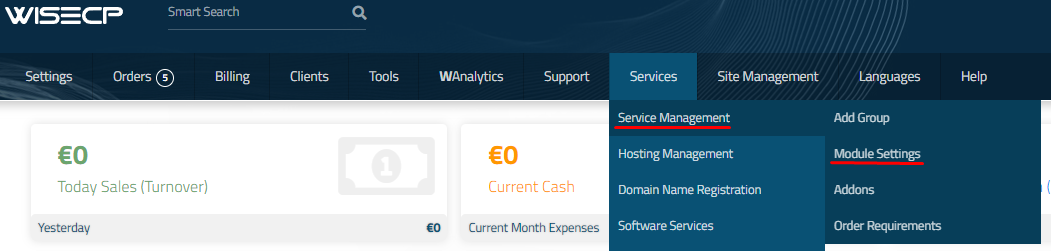](https://doc.puq.info/uploads/images/gallery/2023-11/image-1700485721333.png) [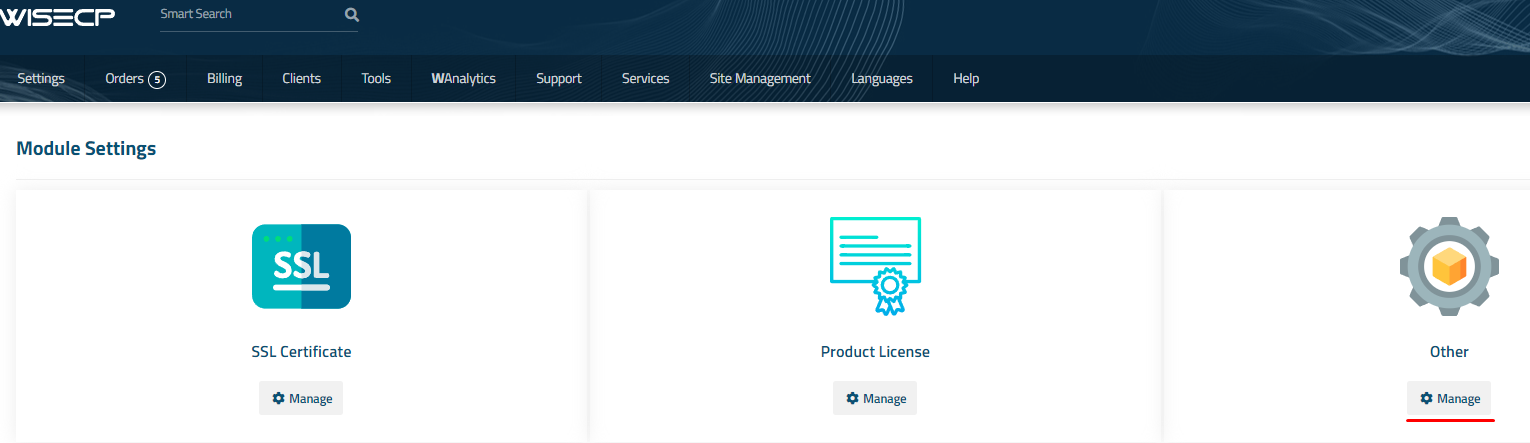](https://doc.puq.info/uploads/images/gallery/2023-11/image-1700485726951.png) [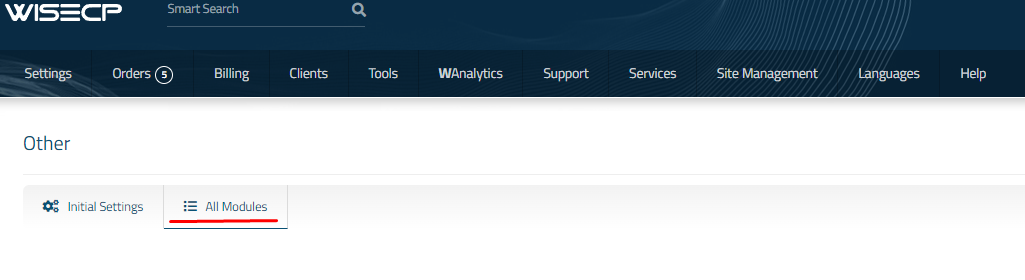](https://doc.puq.info/uploads/images/gallery/2023-11/image-1700485737918.png) [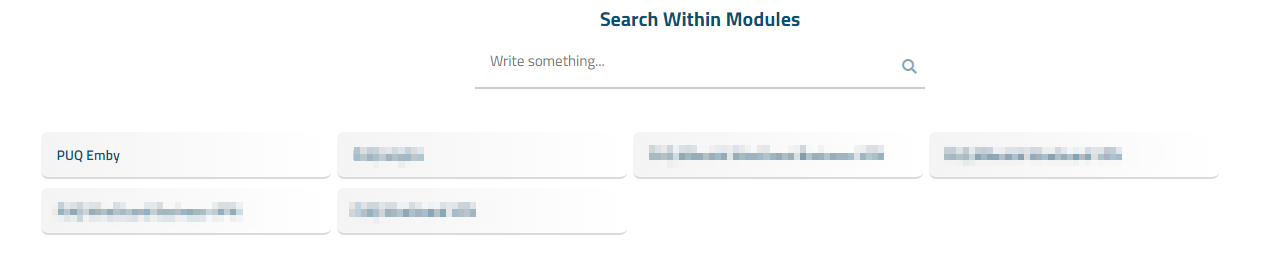](https://doc.puq.info/uploads/images/gallery/2023-11/xpR1.png) [](https://doc.puq.info/uploads/images/gallery/2023-11/KyT2.png) # Setup guide: Emby setup ### Emby module **[WISECP](https://puqcloud.com/link.php?id=78)** ##### [Order now](https://puqcloud.com/index.php?rp=/store/wisecp-module-emby) | [Download](https://download.puqcloud.com/WISECP/Product/PUQ_WISECP-Emby/) | [FAQ](https://faq.puqcloud.com/) #### 1. Install Emby on your server To simplify deployment and help automate this for as many users as possible, we provide a BASH script to handle repo installation as well as installing Emby. All you need to do is run this command on your system ``` wget https://github.com/MediaBrowser/Emby.Releases/releases/download/4.7.14.0/emby-server-deb_4.7.14.0_amd64.deb ``` ``` dpkg -i emby-server-deb_4.7.14.0_amd64.deb ``` #### 2. SSL certificate generation: ``` sudo apt install nginx certbot python3-certbot-nginx ``` ``` sudo certbot --nginx --agree-tos --redirect --hsts --staple-ocsp --email YOUR_EMAIL -d DOMAIN_NAME ``` ``` echo "0 0 * * * root certbot renew --quiet --no-self-upgrade --post-hook 'systemctl reload nginx'" | sudo tee -a /etc/cron.d/renew_certbot ``` #### 3. Configure nginx from a subdomain Create a file named nginx.conf. ``` cd /etc/nginx/conf.d/ nano nginx.conf ``` Then, insert the following text, replacing DOMAIN\_NAME with your domain. ```Nginx # Uncomment the commented sections after you have acquired a SSL Certificate server { listen 80; #listen [::]:80; server_name DOMAIN_NAME; # Uncomment to redirect HTTP to HTTPS return 302 https://$host$request_uri; } server { listen 443 ssl http2; #listen [::]:443 ssl http2; server_name DOMAIN_NAME; ## The default `client_max_body_size` is 1M, this might not be enough for some posters, etc. client_max_body_size 20M; # use a variable to store the upstream proxy # in this example we are using a hostname which is resolved via DNS # (if you aren't using DNS remove the resolver line and change the variable to point to an IP address e.g `set $emby 127.0.0.1`) set $emby 127.0.0.1; resolver 127.0.0.1 valid=30; ssl_certificate /etc/letsencrypt/live/DOMAIN_NAME/fullchain.pem; ssl_certificate_key /etc/letsencrypt/live/DOMAIN_NAME/privkey.pem; include /etc/letsencrypt/options-ssl-nginx.conf; ssl_dhparam /etc/letsencrypt/ssl-dhparams.pem; add_header Strict-Transport-Security "max-age=31536000" always; ssl_trusted_certificate /etc/letsencrypt/live/DOMAIN_NAME/chain.pem; ssl_stapling on; ssl_stapling_verify on; # Security / XSS Mitigation Headers # NOTE: X-Frame-Options may cause issues with the webOS app add_header X-Frame-Options "SAMEORIGIN"; add_header X-XSS-Protection "0"; # Do NOT enable. This is obsolete/dangerous add_header X-Content-Type-Options "nosniff"; # COOP/COEP. Disable if you use external plugins/images/assets add_header Cross-Origin-Opener-Policy "same-origin" always; add_header Cross-Origin-Embedder-Policy "require-corp" always; add_header Cross-Origin-Resource-Policy "same-origin" always; # Permissions policy. May cause issues on some clients add_header Permissions-Policy "accelerometer=(), ambient-light-sensor=(), battery=(), bluetooth=(), camera=(), clipboard-read=(), display-capture=(), document-domain=(), encrypted-media=(), gamepad=(), geolocation=(), gyroscope=(), hid=(), idle-detection=(), interest-cohort=(), keyboard-map=(), local-fonts=(), magnetometer=(), microphone=(), payment=(), publickey-credentials-get=(), serial=(), sync-xhr=(), usb=(), xr-spatial-tracking=()" always; # Tell browsers to use per-origin process isolation add_header Origin-Agent-Cluster "?1" always; # Content Security Policy # See: https://developer.mozilla.org/en-US/docs/Web/HTTP/CSP # Enforces https content and restricts JS/CSS to origin # External Javascript (such as cast_sender.js for Chromecast) must be whitelisted. # NOTE: The default CSP headers may cause issues with the webOS app #add_header Content-Security-Policy "default-src https: data: blob: http://image.tmdb.org; style-src 'self' 'unsafe-inline'; script-src 'self' 'unsafe-inline' https://www.gstatic.com https://www.youtube.com blob:; worker-src 'self' blob:; connect-src 'self'; object-src 'none'; frame-ancestors 'self'"; location = / { return 302 http://$host/web/; #return 302 https://$host/web/; } location / { # Proxy main Emby traffic proxy_pass http://$emby:8096; proxy_set_header Host $host; proxy_set_header X-Real-IP $remote_addr; proxy_set_header X-Forwarded-For $proxy_add_x_forwarded_for; proxy_set_header X-Forwarded-Proto $scheme; proxy_set_header X-Forwarded-Protocol $scheme; proxy_set_header X-Forwarded-Host $http_host; # Disable buffering when the nginx proxy gets very resource heavy upon streaming proxy_buffering off; } # location block for /web - This is purely for aesthetics so /web/#!/ works instead of having to go to /web/index.html/#!/ location = /web/ { # Proxy main Emby traffic proxy_pass http://$emby:8096/web/index.html; proxy_set_header Host $host; proxy_set_header X-Real-IP $remote_addr; proxy_set_header X-Forwarded-For $proxy_add_x_forwarded_for; proxy_set_header X-Forwarded-Proto $scheme; proxy_set_header X-Forwarded-Protocol $scheme; proxy_set_header X-Forwarded-Host $http_host; } location /socket { # Proxy Emby Websockets traffic proxy_pass http://$emby:8096; proxy_http_version 1.1; proxy_set_header Upgrade $http_upgrade; proxy_set_header Connection "upgrade"; proxy_set_header Host $host; proxy_set_header X-Real-IP $remote_addr; proxy_set_header X-Forwarded-For $proxy_add_x_forwarded_for; proxy_set_header X-Forwarded-Proto $scheme; proxy_set_header X-Forwarded-Protocol $scheme; proxy_set_header X-Forwarded-Host $http_host; } } ``` #### Restarting nginx ``` sudo service nginx restart ``` # Add server (Emby server) ### Emby module **[WISECP](https://puqcloud.com/link.php?id=78)** ##### [Order now](https://puqcloud.com/index.php?rp=/store/wisecp-module-emby) | [Download](https://download.puqcloud.com/WISECP/Product/PUQ_WISECP-Emby/) | [FAQ](https://faq.puqcloud.com/) ##### 1. Log in to the administrative area of your **[WISECP](https://puqcloud.com/link.php?id=78)**. ##### 2. Go to module configuration. ``` Services -> Service Management -> Module Settings -> Other -> All Modules -> PUQ Emby ``` [](https://doc.puq.info/uploads/images/gallery/2023-11/image-1700485721333.png) [](https://doc.puq.info/uploads/images/gallery/2023-11/image-1700485726951.png) [](https://doc.puq.info/uploads/images/gallery/2023-11/image-1700485737918.png) [](https://doc.puq.info/uploads/images/gallery/2023-11/xpR1.png) ##### 3. In the opened page, click the '**Add Server**' button. [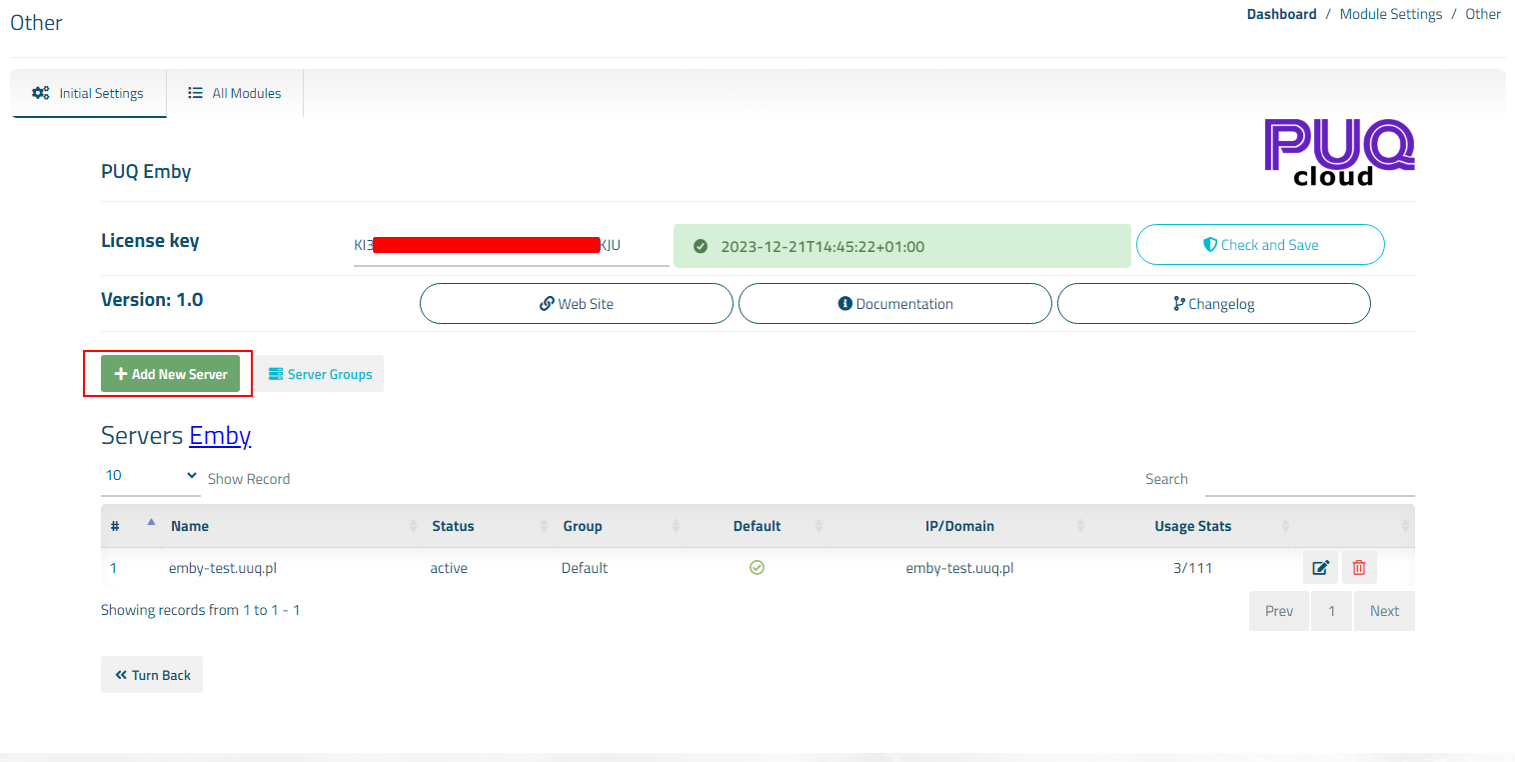](https://doc.puq.info/uploads/images/gallery/2023-11/7oj3.png) ##### ##### 4. On the opened page, enter all the necessary information: - **Name**: Displayed name of the server. - **Maximum Number of Accounts**: The number of services that can be on this server. - **Server Group**: Optionally, choose the server group. - **IP Address or Domain**: The address of the Emby server you are connecting to. - **Username:** is the username for the account on [Emby](https://emby.media/). - **Password:** is the password for the account on [Emby](https://emby.media/). - **Access Hash**: API key that you created in the previous step on the Emby server. - Check the **SSL** box if you want to use SSL-encrypted connection. If necessary, specify the port and perform a connection test. [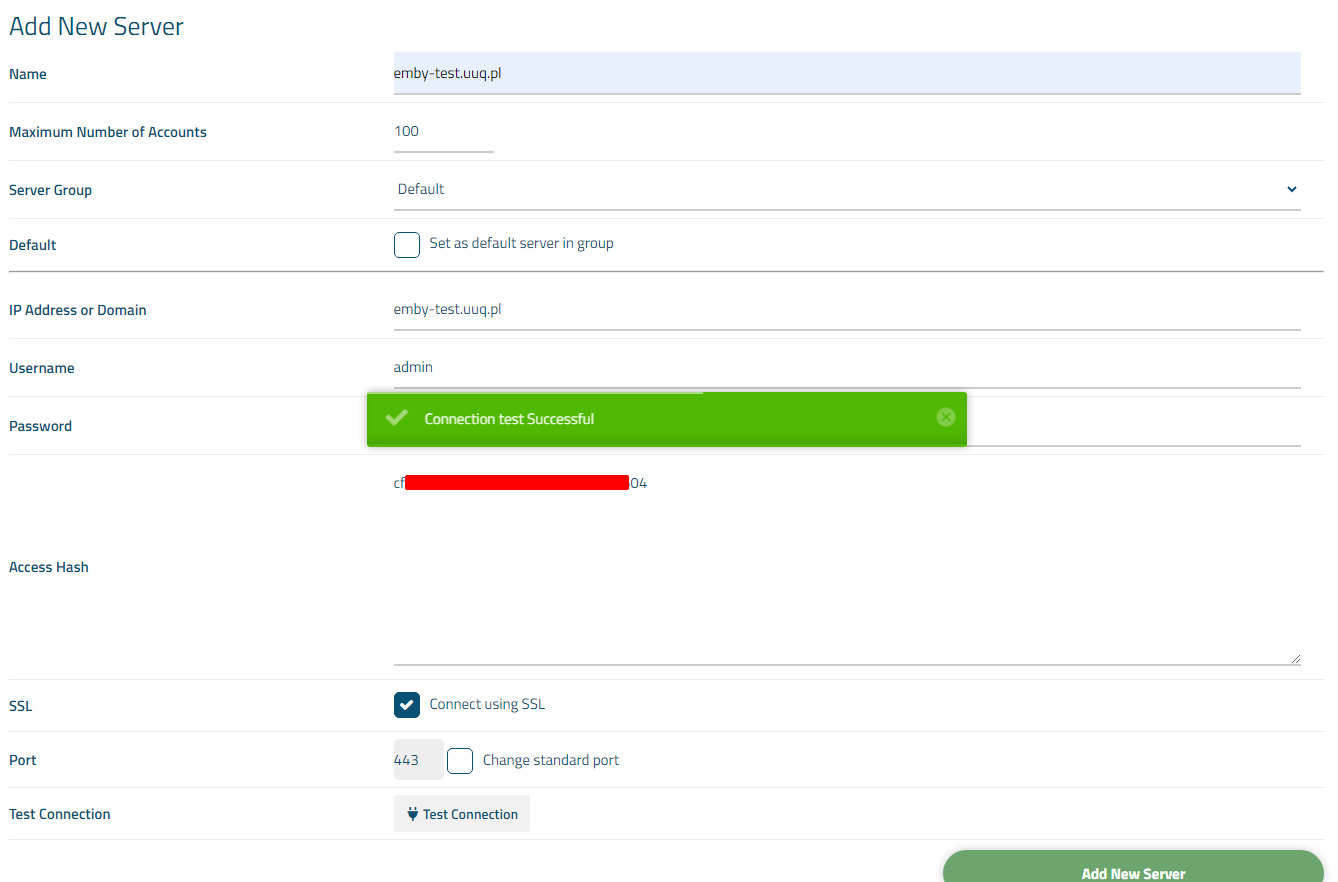](https://doc.puq.info/uploads/images/gallery/2023-11/Luj4.png) # Service configuration ### Emby module **[WISECP](https://puqcloud.com/link.php?id=78)** ##### [Order now](https://puqcloud.com/index.php?rp=/store/wisecp-module-emby) | [Download](https://download.puqcloud.com/WISECP/Product/PUQ_WISECP-Emby/) | [FAQ](https://faq.puqcloud.com/)If you do not have a **Service Group** where you want to place the new service, you need to create a new **Service Group**
##### 1. Log in to the administrative area of your **[WISECP](https://puqcloud.com/link.php?id=78)**. ##### 2. Create New Service Group Go to ``` Services -> Service Management -> Add Group ``` [](https://doc.puq.info/uploads/images/gallery/2023-11/32b5.png) Enter all the necessary data and click the '**Create Group**' button. [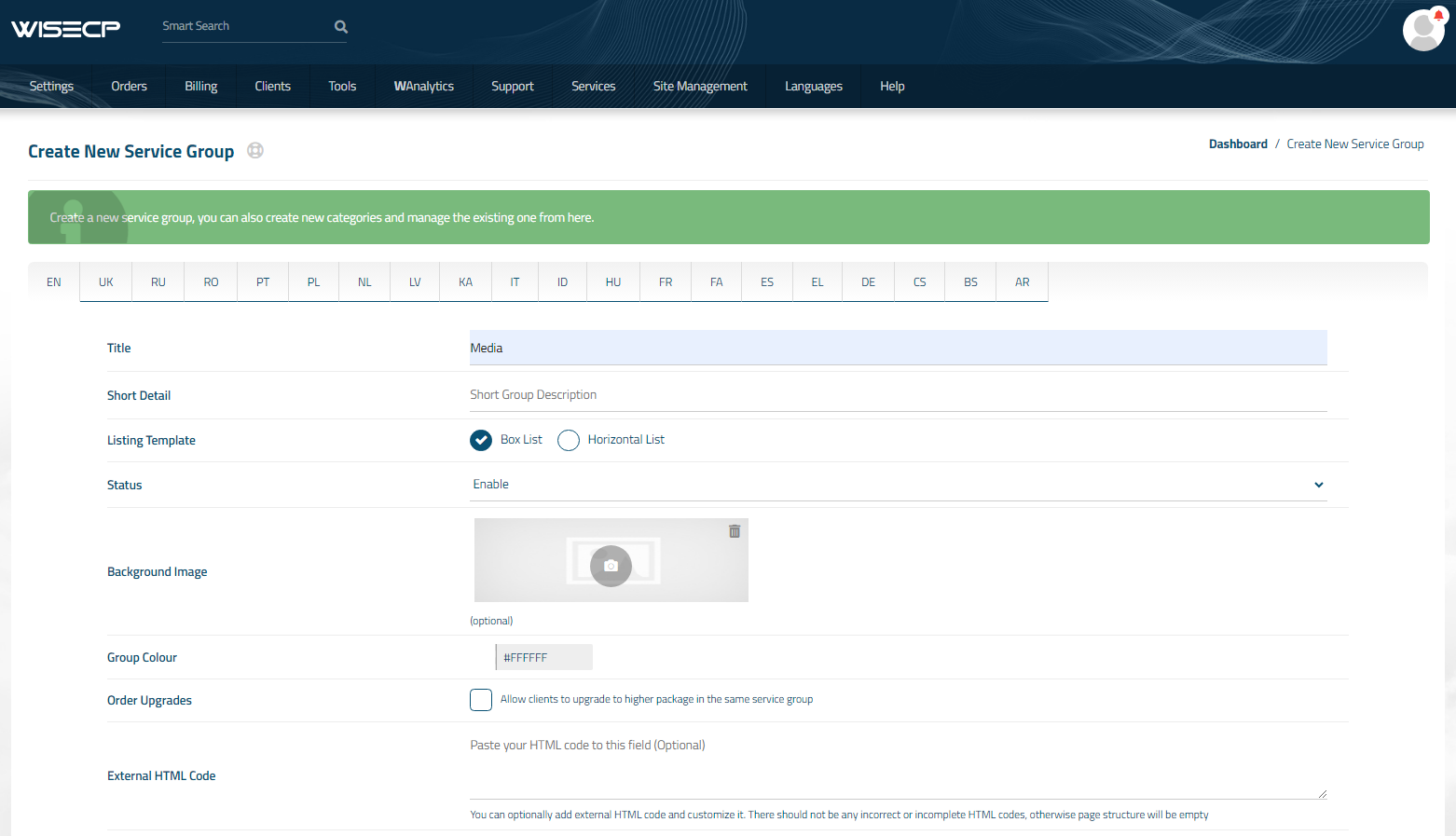](https://doc.puq.info/uploads/images/gallery/2023-11/yDd6.png) ##### 3. Adding a New Service Go to ``` Services -> our service group where you need to add the new service. ``` [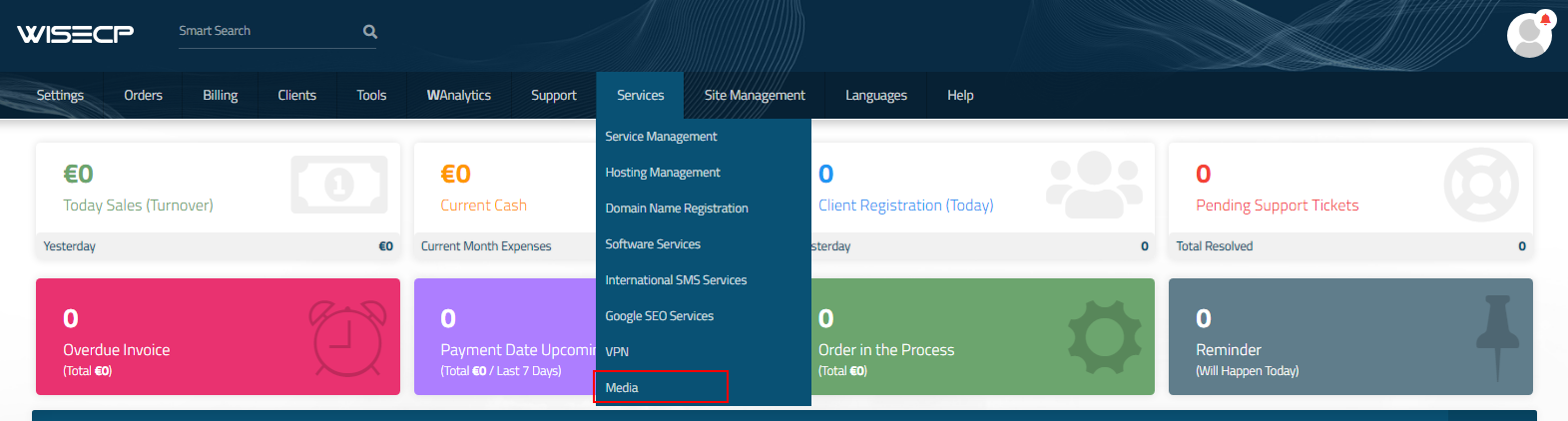](https://doc.puq.info/uploads/images/gallery/2023-11/Shg7.png) In the opened window, click the '**Create New Service**' button. [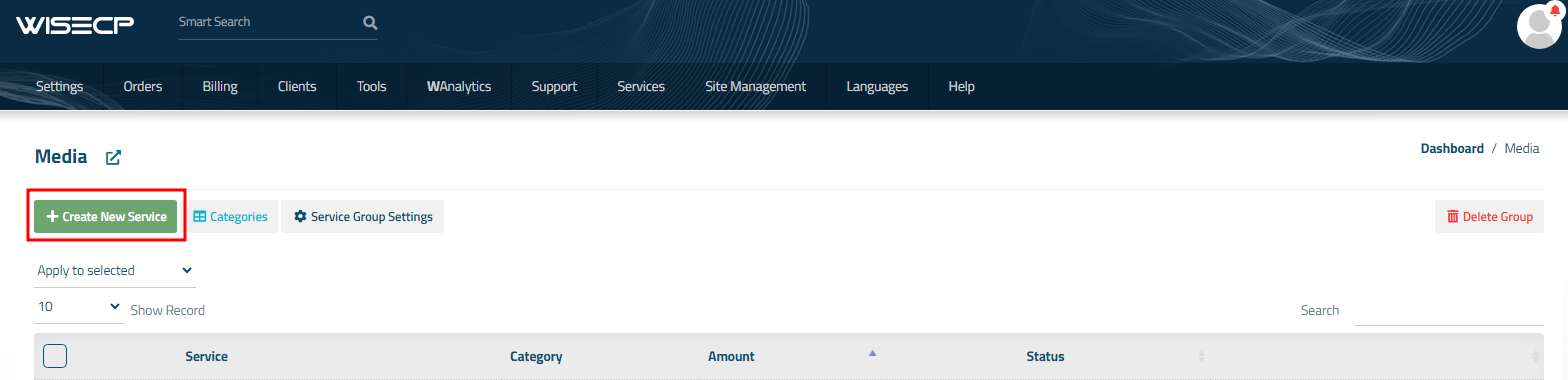](https://doc.puq.info/uploads/images/gallery/2023-11/auQ8.png) On the opened page, enter all the necessary details for your new service and navigate to the '**Core**' tab. Select the '**PUQ Emby**' module from the drop-down list of modules. [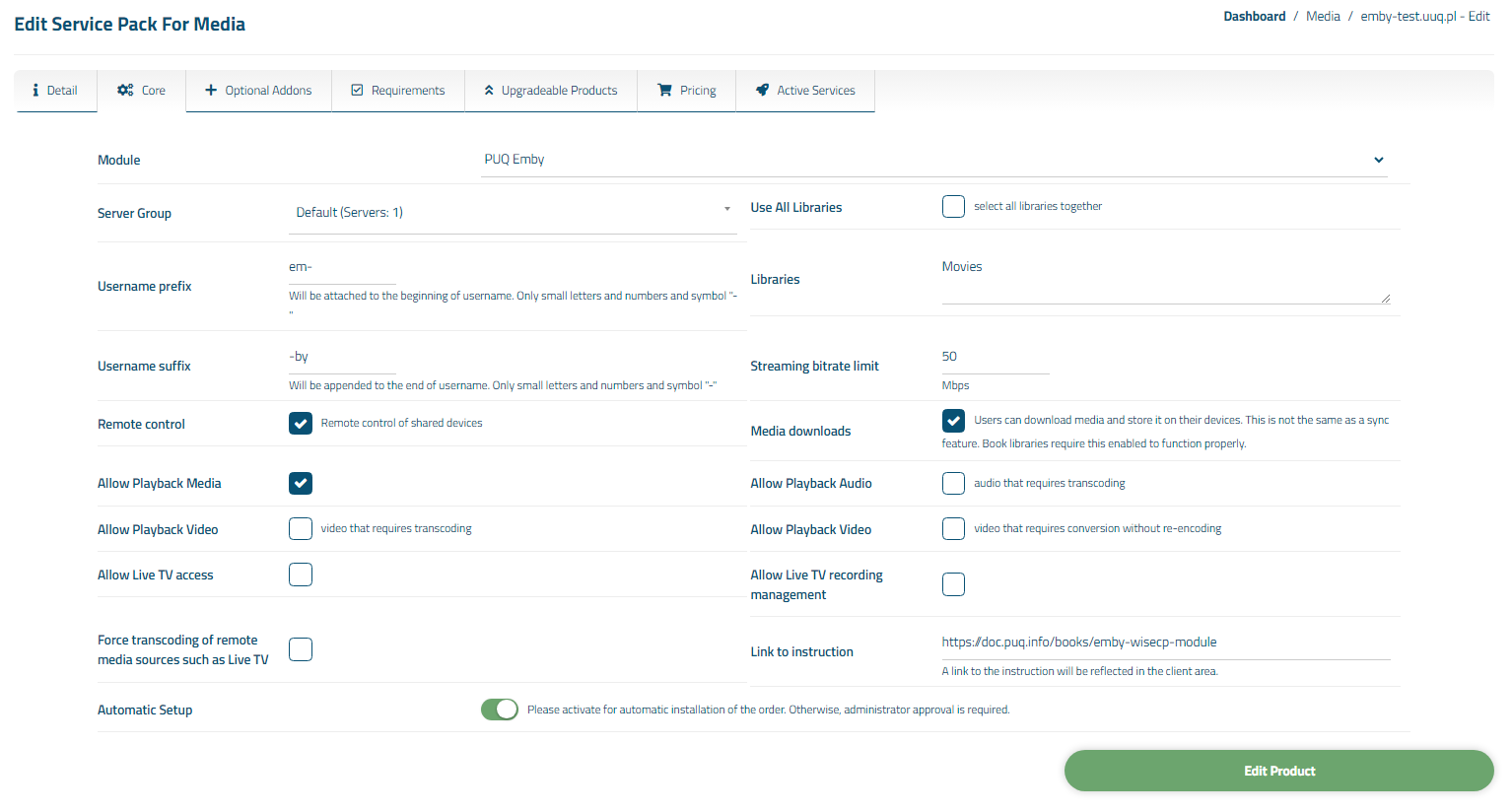](https://doc.puq.info/uploads/images/gallery/2023-11/jwl9.png) ##### 4. Fill in the configuration options according to your preferences. ##### Libraries: